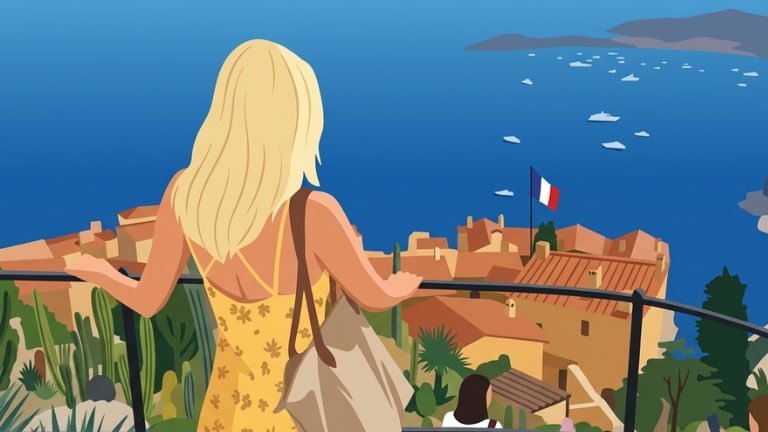
Living in the south of France has its own rhythm. If you’re wondering what it’s actually like to live here day-to-day, here are a few things that completely surprised me.
1. People are genuinely nice
When I first moved down here, I accidentally got off the train at the wrong station. It was late at night, I didn’t know where I was, and I was definitely feeling anxious. The taxi driver, a young local who picked me up, could see my stress. He spent the whole ride chatting with me about the city and the culture to keep me distracted. When we arrived, the taxi couldn’t stop directly in front of my hotel, so he helped carry my luggage to the entrance.
After living here for over a year, I’ve realized that’s just how people are. It’s not that fake, over-the-top customer service friendliness; they’re just honest, normal people doing their jobs well and looking out for you. It’s really nice to live in a place where you feel like you can just let your guard down.
2. Don’t expect everyone to speak English
During my first week, I went to a bank to open an account. Since I couldn’t speak French, I wrote down my request and showed it to the receptionist. She gave me a number for the English support line. After I made an appointment, the bank arranged for an English-speaking employee to help me set up an account.
Government offices can be challenging. When I applied for a Social Security number at CPAM, the office called ahead and asked me to bring a translator. At the Public Finance Center for filing taxes, I had to rely on Google Translate’s voice feature to communicate with the staff.
So yes, you definitely should learn how to speak French.
3. The summers can be hot
Southern France enjoys a Mediterranean climate, which means plenty of sunshine and beautiful weather for much of the year. People enjoy the outdoors, and the cities feel vibrant and full of life.
However, Summers can get very hot. My apartment faces west and doesn’t have air conditioning; indoor temperatures can easily reach 32–35°C. I also keep a thermometer at home, and when it gets too warm, I head to an air-conditioned study room and stay there until the sun goes down (around 9:30 PM in the summer). In the U.S., wearing a hat can feel like a fashion choice. Here, it’s practically a necessity during the summer.
Winter is a different story. While temperatures are mild, it can be quite rainy. Thanks to the Mediterranean winds, rain often comes from every direction. After breaking two umbrellas in a row, I finally decided to invest in a sturdy, windproof double-layer one.
4. French bread is amazing, but …
French bakeries are every bit as good as their reputation. Fresh croissants, baguettes, and pastries are everywhere, and it’s easy to make them a daily habit.
When I first moved to France, I was busy settling into a new life and often relied on bread for quick meals. For a few months, baguettes and pastries made up a large part of my diet. Eventually, I started experiencing brain fog, chest pain, and digestive issues. I went to see a local doctor; she pointed straight to the culprit: gluten. It turned out my sudden French bread marathon was just too much for my system, and she told me to take a total break from the bakeries for a while.
French food is delicious, but it’s still worth paying attention to how your body responds.
5. Dealing with the hard water situation
When I first got here, I tried drinking straight from the tap, but it had a really strange taste—like there was just too much “stuff” in it. Even after boiling it, I kept noticing this layer of white residue at the bottom of my glass, which definitely made me a bit nervous.
After looking into it, I found out that the geology down here in the south is super rich in limestone. That white stuff is just limescale from hard water, and the tap water is actually completely safe to drink. Still, it’s incredibly common to see locals rolling out of the supermarket with massive packs of bottled water.
To save money and avoid plastic waste, I eventually stopped buying bottles and picked up a Brita water filter at Darty. I replace the filters every month and descale the kettle after each use to keep it free of residue.
6. Where to do grocery shopping
For everyday essentials in Southern France, supermarkets like Carrefour and Monoprix are the go-to places. They’re similar to Walmart or Target in the U.S., ranging from smaller neighborhood stores that focus mainly on food to larger locations that also sell clothing, household items, electronics, and school supplies.
They generally have pretty good prices, but if you happen to shop at one near a touristy spot, don’t grab the water or food right by the entrance. Walk into the back of the store instead—you’ll find water and food for a fraction of the price.
Coming from the U.S., I was also used to shopping online and relying heavily on reviews to judge product quality. However, I’ve used Amazon.fr a few times and ended up with some pretty low-quality products despite them having thousands of glowing reviews. I tend to think physical stores have more direct quality control to protect their reputation, so shopping in person is often a safer bet.
7. European transit will spoil you
In my city, the main form of public transport is the tramway. It’s clean, efficient, and easy to use, and it adds a lot of character to the city with its colorful lines moving through the streets. Plus, I got lucky enough to find a place with a tram stop right outside my building.
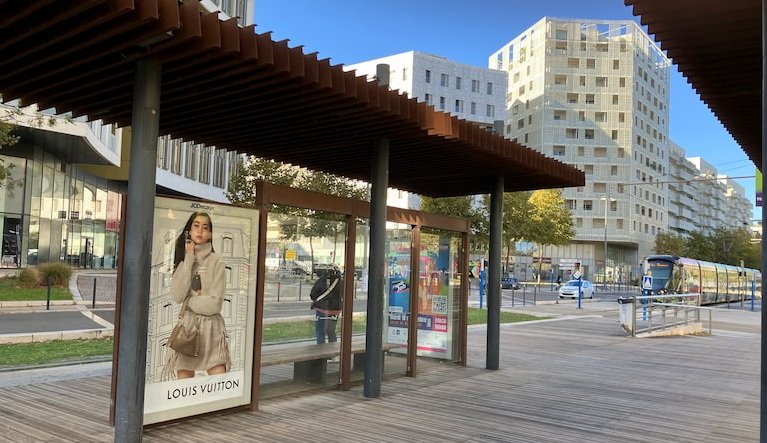
Coming from the U.S., where driving and parking can be a daily stress, so giving up driving completely was actually at the very top of my Wishlist when I moved to France. Guess what? Since I live here full-time, I get a free pass yearly!
Train travel is just as impressive. Many train stations are located right in the city center, and popular attractions are often within walking distance once you arrive. On top of that, the Occitanie region and SNCF run a deal where trains are only €1 on the first Saturday and Sunday of every month – making it easy to take spontaneous day trips to nearby cities.
8. The modern apartment vibe is unmatched
When people think of French architecture, Parisian buildings usually come to mind. But modern apartment buildings in Southern France are just as impressive in their own way.
Instead of skyscrapers, they’re usually mid-rise buildings, typically around 6 to 10 floors, designed with clean, contemporary lines and simple color palettes. Many feature spacious balconies or terraces, and some have unique, irregular shapes that make the architecture feel modern yet inviting.
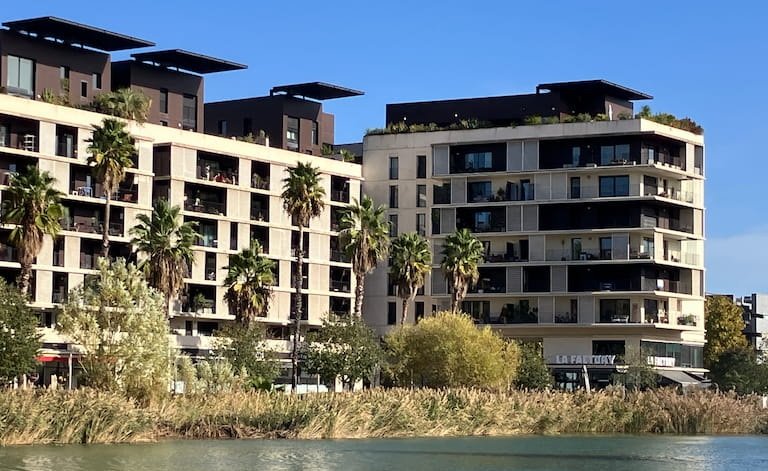
In neighborhoods, shops, parks, playgrounds, schools, and rivers are all within easy reach. On any given afternoon, you’ll see people just hanging out at the outdoor cafés, reading by the water, chatting, or going for a run. Life feels very well balanced here.
Is moving to the South of France worth it?
Yes, the people here are genuinely kind. French culture tends to place a greater emphasis on aesthetic beauty. The infrastructure and public transit make living here incredibly easy and pleasant. I enjoy living here except for the brutally hot summer 😉